Product defects
Voids, clumps, broken pieces, missing components, malformed product, and fill distribution can be difficult to confirm from the outside.
Application
GreyscaleAI helps food producers turn inspection images into product-specific quality signals: broken pieces, missing components, voids, clumps, product-in-seal events, date/time stamp checks, and open-seal review. The goal is not just to reject a unit. It is to give QA and operations teams image-backed evidence they can use to understand what happened and what is changing.
Production problem
A broken piece, missing component, seal contamination, unreadable code, or open seal can trigger complaints, rework, hold-backs, and manual QA review. The harder part is knowing whether the issue is isolated, tied to a SKU, caused by upstream process drift, or showing up across shifts and lines.
Voids, clumps, broken pieces, missing components, malformed product, and fill distribution can be difficult to confirm from the outside.
Product-in-seal, open seals, date/time stamp problems, and other visible package conditions need clear review paths.
Manual sampling and one-off rejects do not give teams enough evidence to see patterns or make faster disposition decisions.
Why it is hard
Traditional inspection often treats quality and package issues as a reject count. That can remove a bad unit, but it does not always show the product image, seal region, package condition, line context, or trend that helps teams prevent the next one.

Product quality signals
GreyscaleAI turns inspection images into product-specific quality checks, so teams can see breakage, missing pieces, voids, clumps, and other defects before they become complaints.

Shape & edge quality
AI models learn what good looks like for a specific product, then flag pieces that are torn, broken, folded, collapsed, or malformed before they reach customers.

Count & assembly checks
Count-based and shape-aware models confirm that expected components are present, correctly placed, and intact, even when defects are subtle or partially hidden.
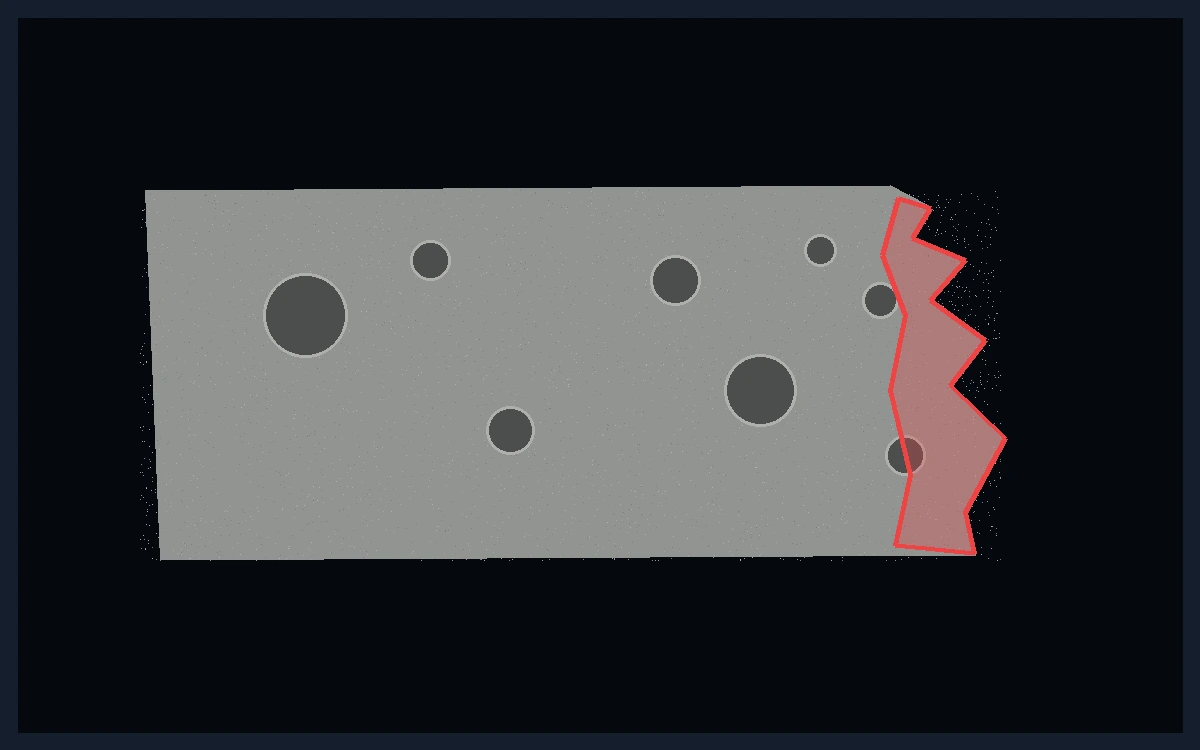
Void cluster, right-center region.
Fill, density & structure
Image-based grading can measure internal product structure, including holes, voids, clumps, and density pockets that are difficult to judge from the outside.
PACKAGE INTEGRITY
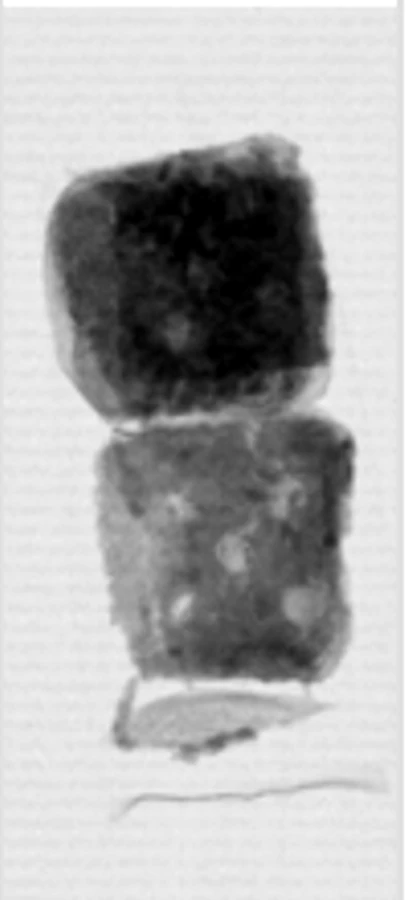
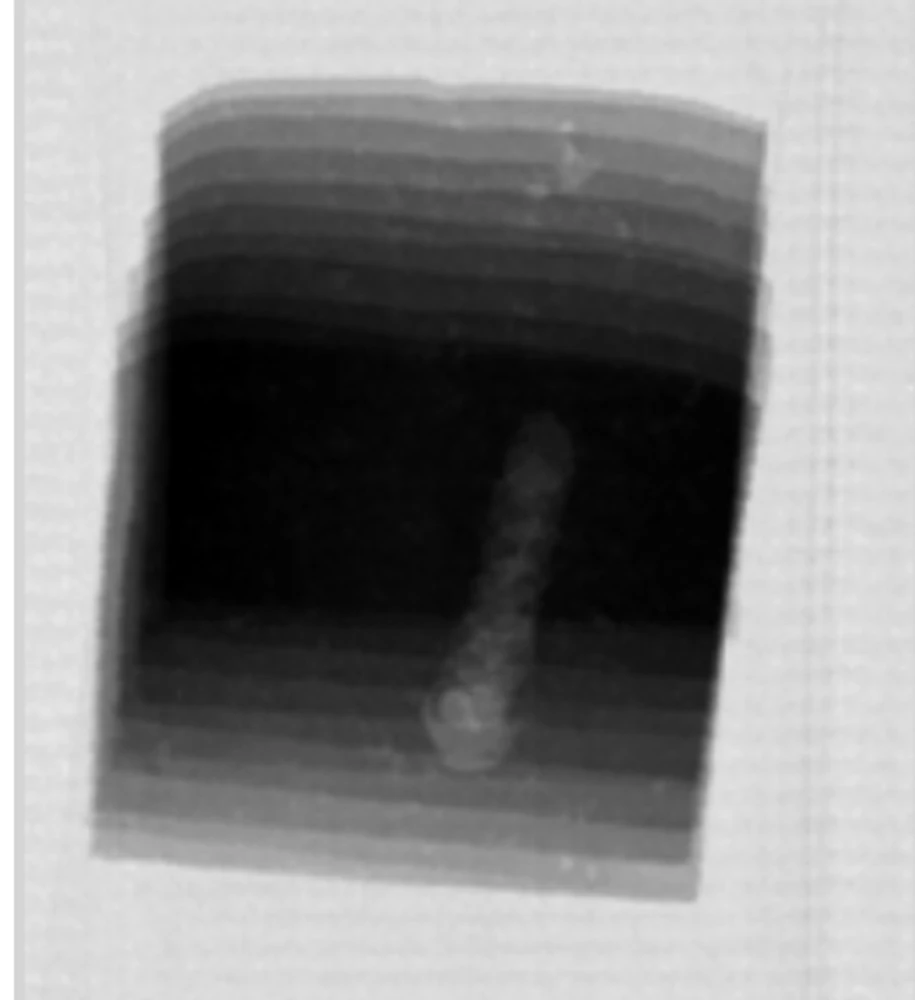
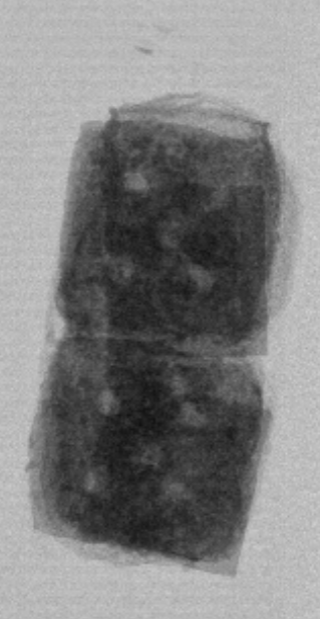
X-ray helps teams review product entering the seal area that is not visible to the camera. Use the full images below to compare clear seal regions with confirmed product-in-seal conditions.
No product in seal

Defect at bottom seal region

No product in seal

Defect at top seal region

Camera-based package checks
Some package conditions are better evaluated with cameras than X-ray. Date/time stamp and open-seal checks follow the same review workflow: capture the image, classify the condition, store the event, and make the result reviewable for QA and operations.
Use camera images to check for the presence, placement, and basic readability of production date, time, lot, or code information where image quality supports it.
Use camera images to review package closure or open-seal conditions when the seal presentation is visible. This is a camera-based check, separate from X-ray inspection.
Store package-check images and event context so QA can review what happened, compare recurring issues, and support hold, release, rework, or escalation decisions.


Insights Software
Quality and package checks become more useful when the image, AI decision, event reason, line context, and review status are available in GreyscaleAI Insights. QA and operations teams can review inspection events and search image history in Insights. Production Analytics adds dashboards and trends across production context.
Related workflows include Image History & Event Review and Production Analytics.
Review product and package images tied to inspection events instead of relying only on reject counts or alarm codes.
Track whether an event needs review, has been dispositioned, or should be escalated for hold, rework, or release decisions.
Compare recurring quality and package conditions by SKU, line, shift, supplier, or plant when the needed context is available.
Connect quality signals to line speed, product changeovers, packaging setup, and other operating conditions where available.
What teams can do
The value is not only detecting a defect. The value is giving each team enough evidence to decide what to do next.
Review image-backed events, support hold and release decisions, investigate complaints, and document recurring quality or package concerns.
See when breakage, missing components, fill variation, or seal issues start to drift so the line team can respond before the issue spreads.
Investigate seal setup, package handling, camera positioning, and recurring package conditions with more context than a reject count alone.
Compare quality and package trends across lines, shifts, SKUs, or plants using common event definitions where available.
Related proof
See how AI image analysis was applied to subtle seal-region inspection in a packaged-food application, using real production rejects and clean-seal comparisons.
See how a package-quality issue can be classified as its own inspection signal instead of being blended into a generic reject bucket.
See how AI image analysis can help distinguish true concern signals from normal product variation in a demanding production environment.
Fit and next steps
Continue with application fit, inspection systems, relevant industries, or production proof based on the question you need to answer next.
Talk through product format, package type, target defects, line speed, image source, and validation approach.
Review how HRX inspection systems connect to AI image analysis and Insights workflows.
Relevant for product quality, package integrity, product-in-seal, weight/count, and QA review workflows.
Relevant for package integrity, dents, quality signals, code checks, and reviewable package events.
Next step
Share the product format, package type, target defects, current QA process, line speed, and any sample imagery you already have. GreyscaleAI can help determine whether X-ray inspection, camera-based inspection, Insights review, or a combination is the right fit.


