Product structure
Cut, grind, thickness, overlap, natural anatomy, and density variation.
PROTEIN
Cuts, grinds, formed products, temperature states, and packages can all change what an X-ray image looks like. GreyscaleAI combines high-resolution inspection, product-specific AI, and image-backed review so protein teams can separate true concerns from normal variation and see what is changing across production.

PRODUCTION CHALLENGES
Natural anatomy, product overlap, grind, forming, temperature, and packaging can all affect the inspection image. The right question is not only what the target material is. It is whether the product, package, target, and line conditions create a reliable application.
Review metal, calcified bone, glass, stone, and dense objects when product and package conditions create sufficient contrast.
Explore Foreign Material DetectionCartilage, ligament, tendon, fat, overlap, grind, and temperature state can create patterns that must be separated from true concern signals.
See the Bone Detection ProofReview broken or misshapen formed products, missing components, count conditions, and density shifts where the application supports them.
Explore Product QualityGive FSQA the image, event, product, line, machine, lot, and review context needed to investigate without standing at the machine.
Explore Image HistoryRELEVANT APPLICATIONS
Choose the production question that best matches what you need to detect, review, or understand. Each application page provides the deeper technical detail and validation considerations for that workflow.
IS THIS A REAL FOREIGN MATERIAL EVENT?
Review bone and other dense-material events with the X-ray image, highlighted region, AI decision, and related production context.
Explore the applicationIS PRODUCT QUALITY STARTING TO DRIFT?
Turn product-specific conditions such as breakage, missing components, malformed pieces, count issues, or density shifts into reviewable signals.
Explore the applicationWHAT HAPPENED AROUND THIS EVENT?
Search the inspection record, open the image, review production context, compare nearby events, and document follow-up.
Explore the workflowAPPLICATION FIT
A target that is visible in one protein product may be difficult in another. Fit must be evaluated against the actual product, package, target condition, line speed, and operating environment.
Cut, grind, thickness, overlap, natural anatomy, and density variation.
Fresh, chilled, frozen, or partially frozen presentation.
Bulk, bag, tray, wrapped, formed, or other line-specific presentation.
Target material or defect, size, orientation, speed, spacing, and environment.
INSIGHTS FOR PROTEIN
A protein event is more useful when FSQA can see the image, the AI decision, and the production context around it. Insights gives authorized teams a common place to review events and look for patterns across products, lines, shifts, and plants.
Open the inspection image, highlighted region, event reason, and machine context.
Look at nearby records by product, line, time window, lot, result, or review status.
Record whether the event needs no action, reinspection, supplier follow-up, or broader investigation.
ILLUSTRATIVE WORKFLOW
PRODUCTION PROOF
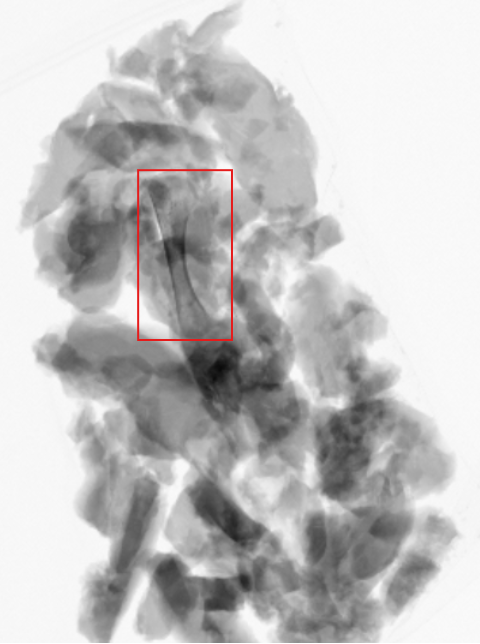
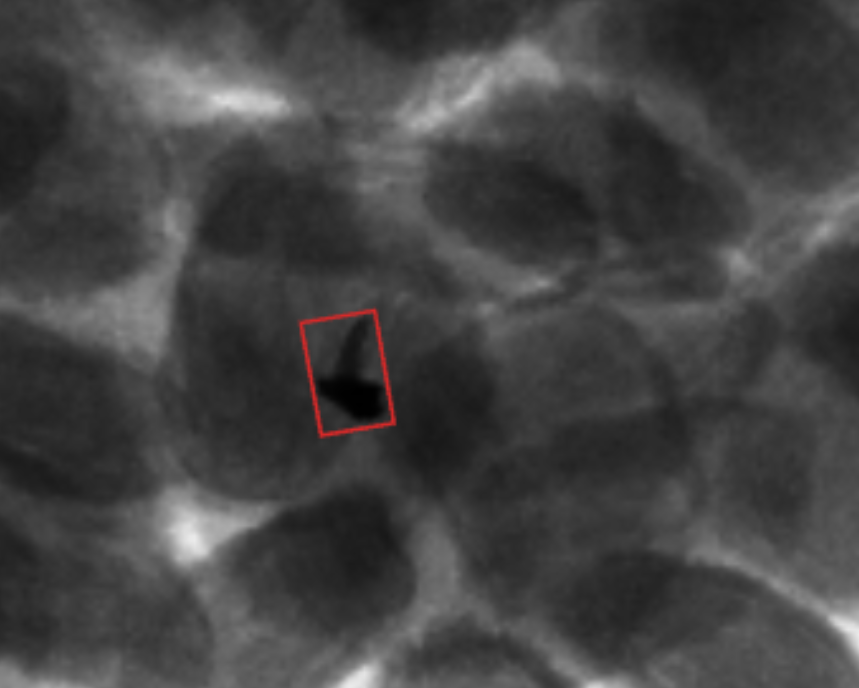
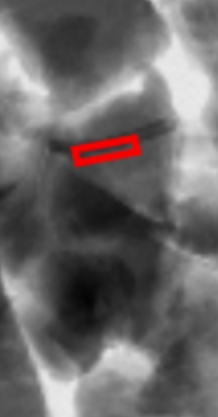
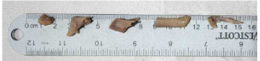
In an anonymized protein application, GreyscaleAI trained AI models against real production variability so the system could better distinguish true bone from cartilage, ligament, tendon, and normal product structure.
The case study shows why protein applications need models trained and checked against real production images rather than fixed assumptions about what every product should look like.
COMMON QUESTIONS
No. Detection performance depends on product density, thickness, grind, temperature state, package format, target size and composition, orientation, line speed, and available image contrast. Each application must be validated with the actual product and target set.
In some applications, yes. The same image stream can support foreign material workflows alongside product-specific checks for shape, breakage, missing components, count, or density conditions when each signal has been validated for that product and line.
Start with the product format, package type, target material or quality condition, target size, line speed, spacing, orientation, environment, current reject examples, and any available production images or sample products.